The Art Scene in Australia

Expanding, Adapting, and Searching for Meaning
Across Australia, the creative landscape is alive, layered, and in flux. Artists are navigating a world shaped by environmental anxiety, post-pandemic reflection, and the ongoing impacts of colonial histories. Major cities like Sydney and Melbourne still host some of the country’s most vibrant cultural institutions, but the cost of living crisis is pushing many creatives to the edge, sometimes literally. And it's not just the cities, here in the Byron Bay region, once a haven for artists and alternative thinkers, skyrocketing rents and gentrification are making it increasingly difficult to live and work as a creative. What used to be affordable studio spaces are now unaffordable Airbnbs. Artists here face the same pressures as in urban centres, only with the added irony that these small coastal towns were once considered the escape route.


And yet, art continues. In Naarm/Melbourne, multidisciplinary artists like Atong Atem (left image) and Eugenia Lim (right image) are opening up new conversations around identity and belonging, using photography, video, and installation to question the dominant narratives. In Sydney, the biennale format still draws attention, but smaller, self-organised spaces, often in garages, old shops, or community halls, are leading some of the most interesting experiments.
-
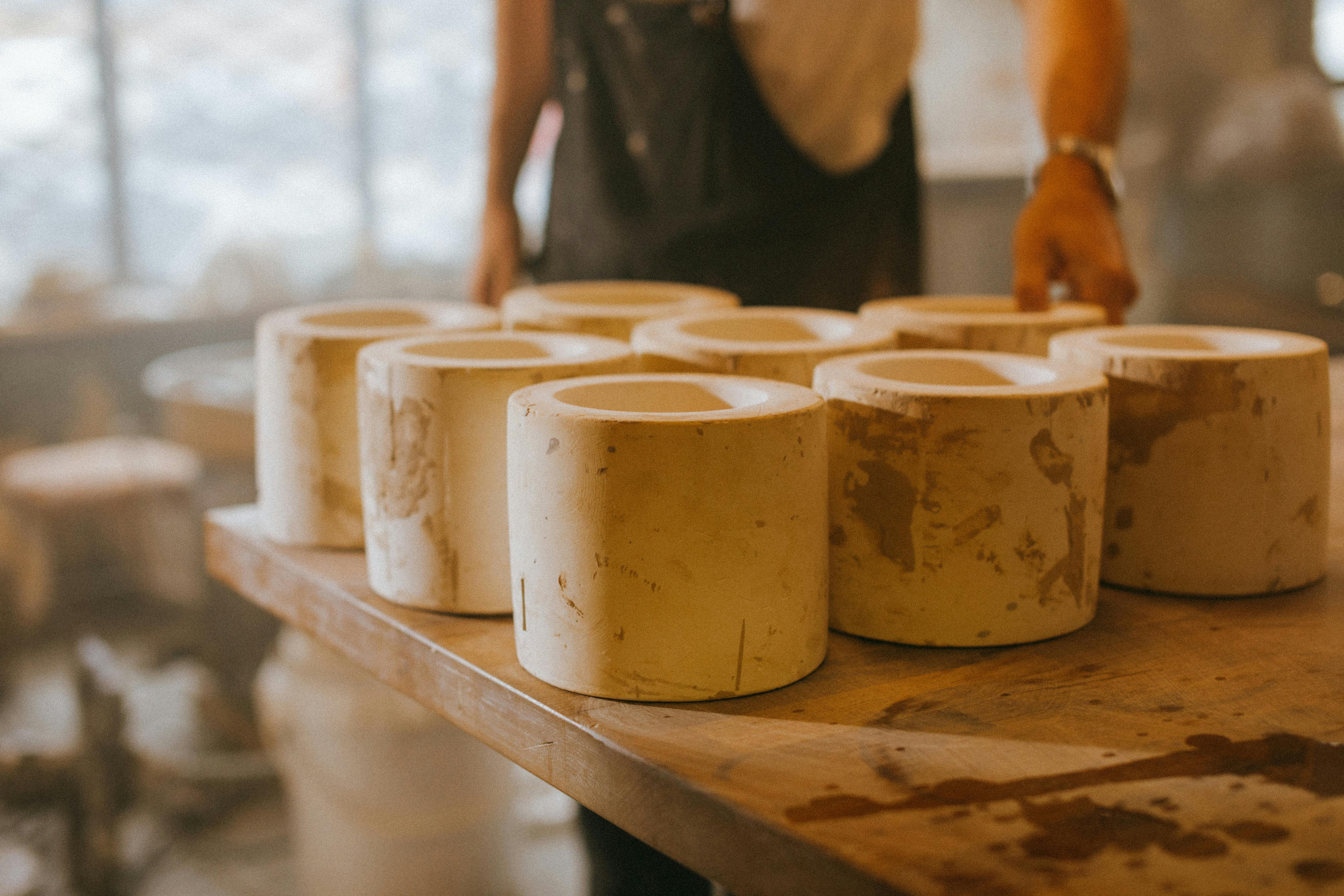
Across regional Australia, ceramicists, textile artists, and experimental painters are forming collectives, hosting open studios, and offering workshops, building community resilience through creativity.
There are still prestigious prizes: the Archibald for portraiture, the Wynne for landscape, the Blake Prize for spiritual art, the Ramsay Art Prize for emerging artists. These bring visibility and validation, yes, but many artists now seek other kinds of recognition, ones rooted in connection, process, and shared experience. The economy of “making to sell” is real, especially in ceramics and design, but so is the hunger to make meaning beyond product.

From my own experience as a ceramicist in the Northern Rivers, I know how challenging it is to balance the practical with the poetic. We all need to make a living, yes, but we must also protect spaces for creation that are not just functional. I want to encourage all artists, and even those who don’t call themselves artists, to keep making. Creativity is not reserved for a chosen few. It belongs to anyone willing to explore, to experiment, to play. Making something, anything, can be healing. It helps us connect more deeply to ourselves and to the world. In a time of constant noise, creating for the sake of creating is a quiet act of resistance and a return to something true.